The Farm Estate Programme is one of Jigawa-ATA’s flagship agribusiness development initiatives, designed to transform large tracts of arable land into modern, fully serviced agricultural estates that attract private investment, promote mechanization, and create sustainable jobs. Each estate serves as an integrated production hub combining commercial-scale farming, agro-processing, housing, and shared infrastructure for farmers, entrepreneurs, and investors.
Through the Farm Estate model, Jigawa-ATA seeks to optimize land use, strengthen local economies, and enhance food security while driving rural industrialization. These estates are developed across the state’s ADP zones, ensuring balanced growth and inclusive participation. The programme aims to empower farmers as co-owners and participants in commercially viable ventures while stimulating investment in irrigation, logistics, and value addition — creating a complete ecosystem where production meets industry.
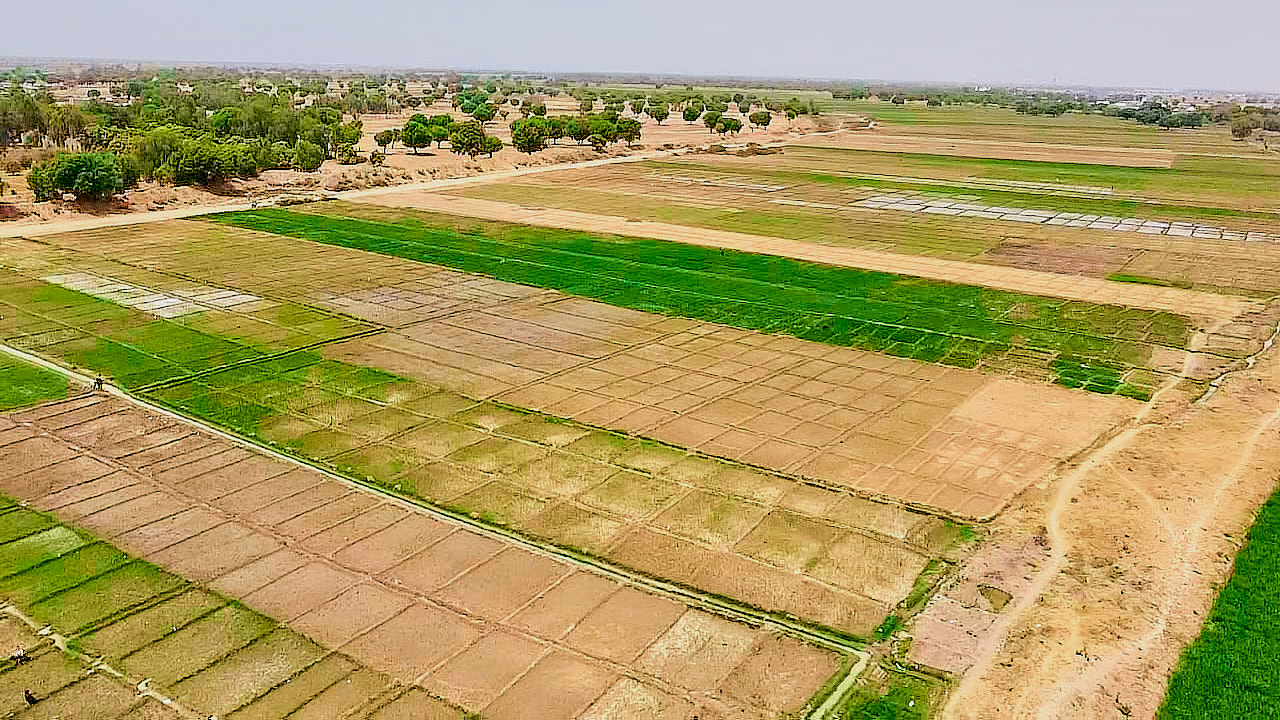
The Farm Estate Programme will expand the frontiers of commercial agriculture in Jigawa by creating self-sustaining, job-generating agro-industrial communities. It is expected to increase productivity, reduce rural–urban migration, and boost income levels through large-scale mechanized farming and value-added processing. Over time, the estates will serve as centers of excellence for agribusiness innovation, attracting domestic and international investors, improving food supply chains, and positioning Jigawa as a leading model for organized, commercial farming in Nigeria.