The Irrigation Development Programme is a central component of Jigawa-ATA’s Production and Productivity strategy, designed to transform Jigawa’s abundant water resources into year-round agricultural prosperity. Recognizing that water is life for agriculture, this initiative aims to unlock the state’s full potential for dry-season farming, multi-cropping, and climate resilience by expanding access to sustainable, affordable, and efficient irrigation systems.
Jigawa is strategically located within the Hadejia–Jama’are River Basin, endowed with rivers, wetlands, and shallow groundwater aquifers. Yet, only a small portion of this resource is currently harnessed for productive use. Through Jigawa-ATA’s coordinated irrigation investments, the state will transition from reliance on rain-fed agriculture to controlled, high-value, all-season farming systems that maximize land and water productivity.
 Expand Irrigated Land Area: Scale up irrigation coverage across the four ADP zones to enable multiple cropping seasons annually.
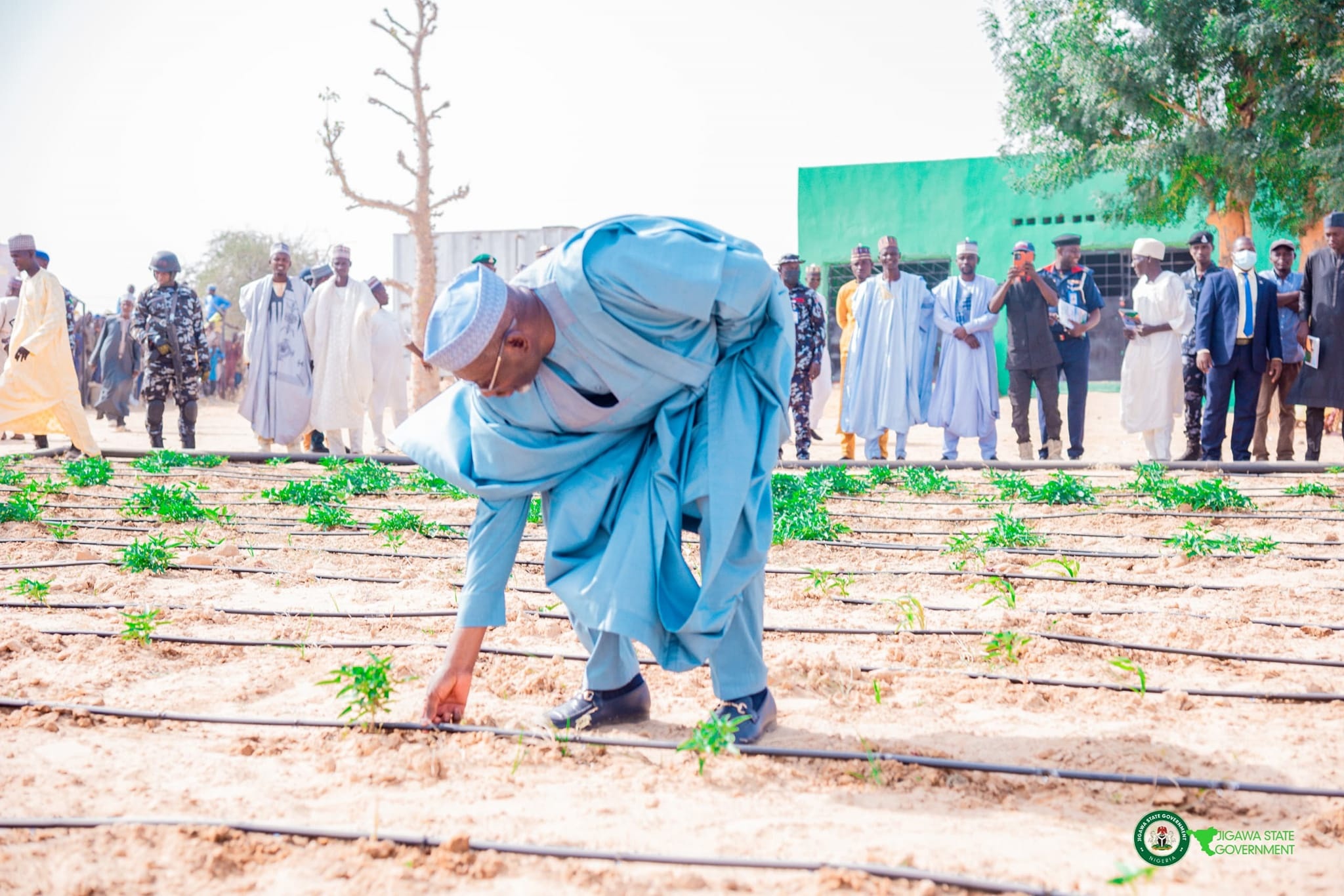
Promote Efficient Water Use: Introduce modern irrigation technologies such as drip, sprinkler, and solar-powered systems to optimize water utilization.
Empower Farmers: Train farmers in irrigation scheduling, water conservation, and system maintenance for sustainability.
Facilitate Private Sector Participation: Attract private investors to co-develop irrigation schemes and offer irrigation services on a commercial basis.
Build Climate Resilience: Integrate irrigation into climate-smart agriculture systems to mitigate the impact of droughts and erratic rainfall.
Government Agencies: Jigawa Ministry of Water Resources, HJRBDA, and Ministry of Agriculture.
Development Partners: African Development Bank (AfDB), World Bank, IFAD, and Islamic Development Bank (IsDB) for infrastructure financing.
Private Sector: Solar energy companies, engineering firms, and agri-investors for design, build, operate, and transfer (DBOT) models.
Communities and Cooperatives: Water Users Associations (WUAs) for local governance, maintenance, and equitable water distribution.
Expand Irrigated Land Area: Scale up irrigation coverage across the four ADP zones to enable multiple cropping seasons annually.
Promote Efficient Water Use: Introduce modern irrigation technologies such as drip, sprinkler, and solar-powered systems to optimize water utilization.
Empower Farmers: Train farmers in irrigation scheduling, water conservation, and system maintenance for sustainability.
Facilitate Private Sector Participation: Attract private investors to co-develop irrigation schemes and offer irrigation services on a commercial basis.
Build Climate Resilience: Integrate irrigation into climate-smart agriculture systems to mitigate the impact of droughts and erratic rainfall.
Government Agencies: Jigawa Ministry of Water Resources, HJRBDA, and Ministry of Agriculture.
Development Partners: African Development Bank (AfDB), World Bank, IFAD, and Islamic Development Bank (IsDB) for infrastructure financing.
Private Sector: Solar energy companies, engineering firms, and agri-investors for design, build, operate, and transfer (DBOT) models.
Communities and Cooperatives: Water Users Associations (WUAs) for local governance, maintenance, and equitable water distribution.
The Irrigation Development Programme is designed for long-term environmental and economic sustainability. By integrating renewable energy, smart water management, and community ownership, J-ATA is ensuring that Jigawa’s irrigation infrastructure remains functional, profitable, and environmentally responsible. This initiative will not only enhance food security but also catalyze industrial-scale agro-production, increase household incomes, and position Jigawa as a model of climate-smart, irrigated agriculture in Nigeria and West Africa.