
The Climate Resilience Programme is a key component of JATA’s Climate-Smart Agriculture framework, developed to help farmers adapt to and mitigate the impacts of climate change while maintaining productivity and livelihoods. With Jigawa’s agricultural sector increasingly exposed to erratic rainfall, flooding, and prolonged dry spells, this programme focuses on building adaptive capacity, risk preparedness, and sustainable farming systems that can thrive under changing climatic conditions.
By integrating climate information services, resilient crop varieties, and ecosystem-based approaches, JATA ensures that farmers are equipped not only to survive but to prosper in the face of environmental challenges. The initiative promotes a proactive, data-driven response to climate risks—making Jigawa’s agricultural system more adaptive, productive, and sustainable for the long term.
Core Components of the Programme
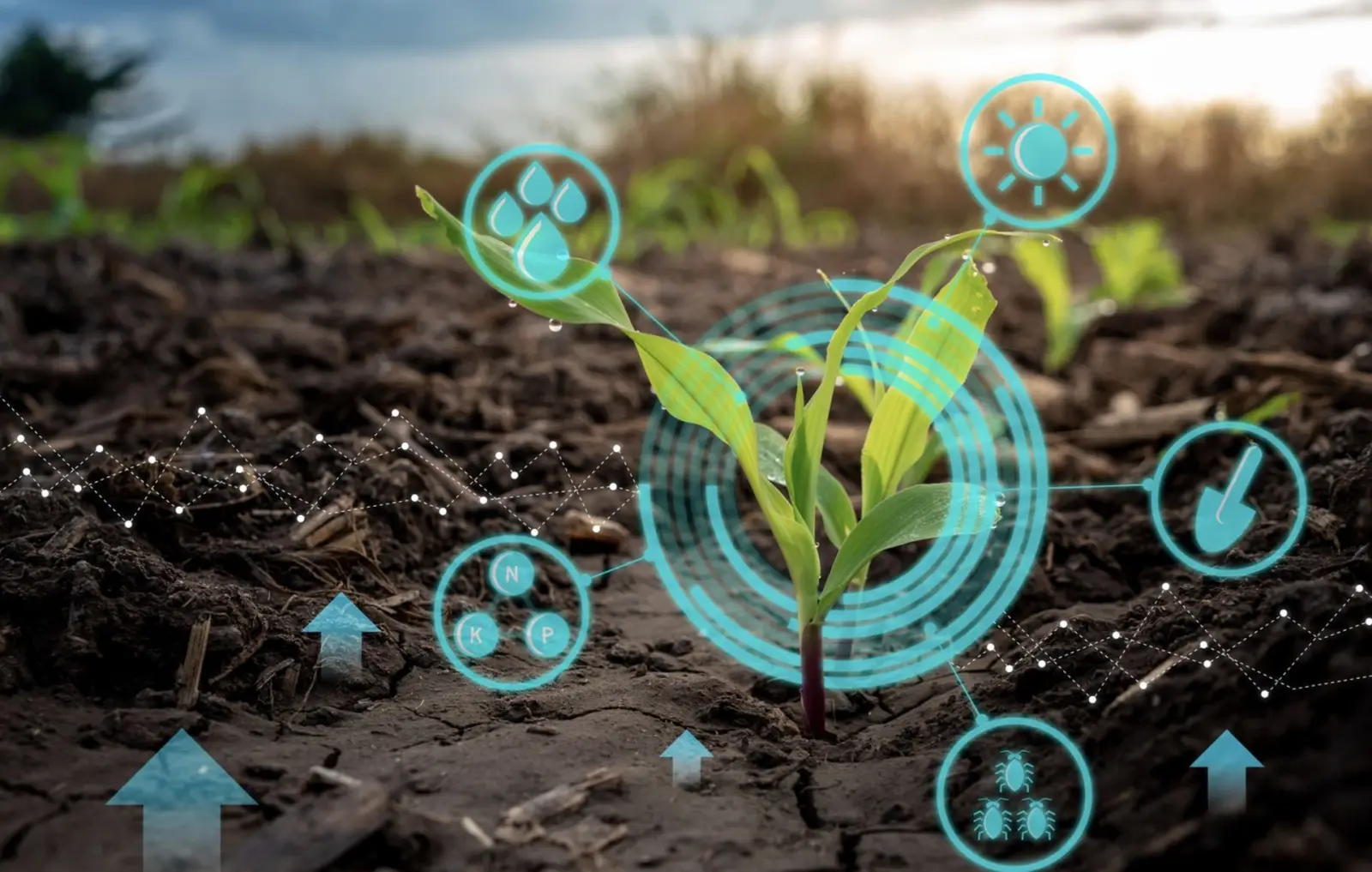
Climate Risk Assessment and Early Warning Systems
Establishing digital platforms and weather-monitoring stations to provide localized forecasts, flood alerts, and seasonal planning tools for farmers.
Climate-Smart Crop and Livestock Systems
Promoting the use of drought-tolerant, heat-resistant, and early-maturing crop varieties, alongside resilient livestock breeds suited to changing environmental conditions.
Sustainable Land and Water Management
Implementing conservation agriculture, reforestation, and watershed management practices to stabilize soils and reduce erosion.
Disaster Preparedness and Recovery Mechanisms
Supporting the creation of community-based disaster response units and micro-insurance schemes to safeguard farmer investments.
Capacity Building and Awareness
Training extension agents and farmers in climate adaptation strategies, resource-efficient technologies, and environmentally responsible practices.
Expected Outcomes
The Climate Resilience Programme will significantly enhance the adaptive capacity of Jigawa’s agricultural communities, ensuring consistent production even under adverse weather conditions. It will reduce climate-related losses, improve soil and water conservation, and promote sustainable use of natural resources. Through early warning systems and climate-informed decision-making, farmers will gain the confidence to plan and invest wisely. Ultimately, this initiative will establish JATA as a model of climate-resilient agriculture in Nigeria, where innovation and preparedness secure the future of farming and food security.