The Integrated Value Chain Services (IVS) Programme represents the bridge between production and prosperity in JATA’s Production and Productivity pillar. While other programmes focus on increasing yields and inputs, IVS ensures that the products generated by farmers are efficiently processed, stored, transported, and marketed — unlocking the true economic value of agriculture for Jigawa’s rural communities.
The IVS model is a “farm-to-market” system, where every stage of the agricultural value chain — from input provision to post-harvest handling, processing, packaging, and marketing — is seamlessly integrated through data, infrastructure, and partnerships. By connecting farmers, processors, financiers, and markets, JATA ensures that agricultural productivity translates directly into higher incomes, lower post-harvest losses, and sustainable agribusiness growth.
Enhance Post-Harvest Management
Establish modern facilities for storage, aggregation, and processing to reduce waste and maintain product quality.
Strengthen Market Linkages
Build efficient linkages between farmers and local, national, and export markets through digital platforms and structured trading systems.
Promote Agro-Industrialization
Support the establishment of small and medium-scale agro-processing enterprises across the ADP zones.
Facilitate Access to Value Chain Finance
Create financing models and partnerships to empower value chain actors — from farmers to aggregators and transporters.
Encourage Inclusive Participation
Integrate youth and women into value addition activities such as processing, packaging, logistics, and retail.
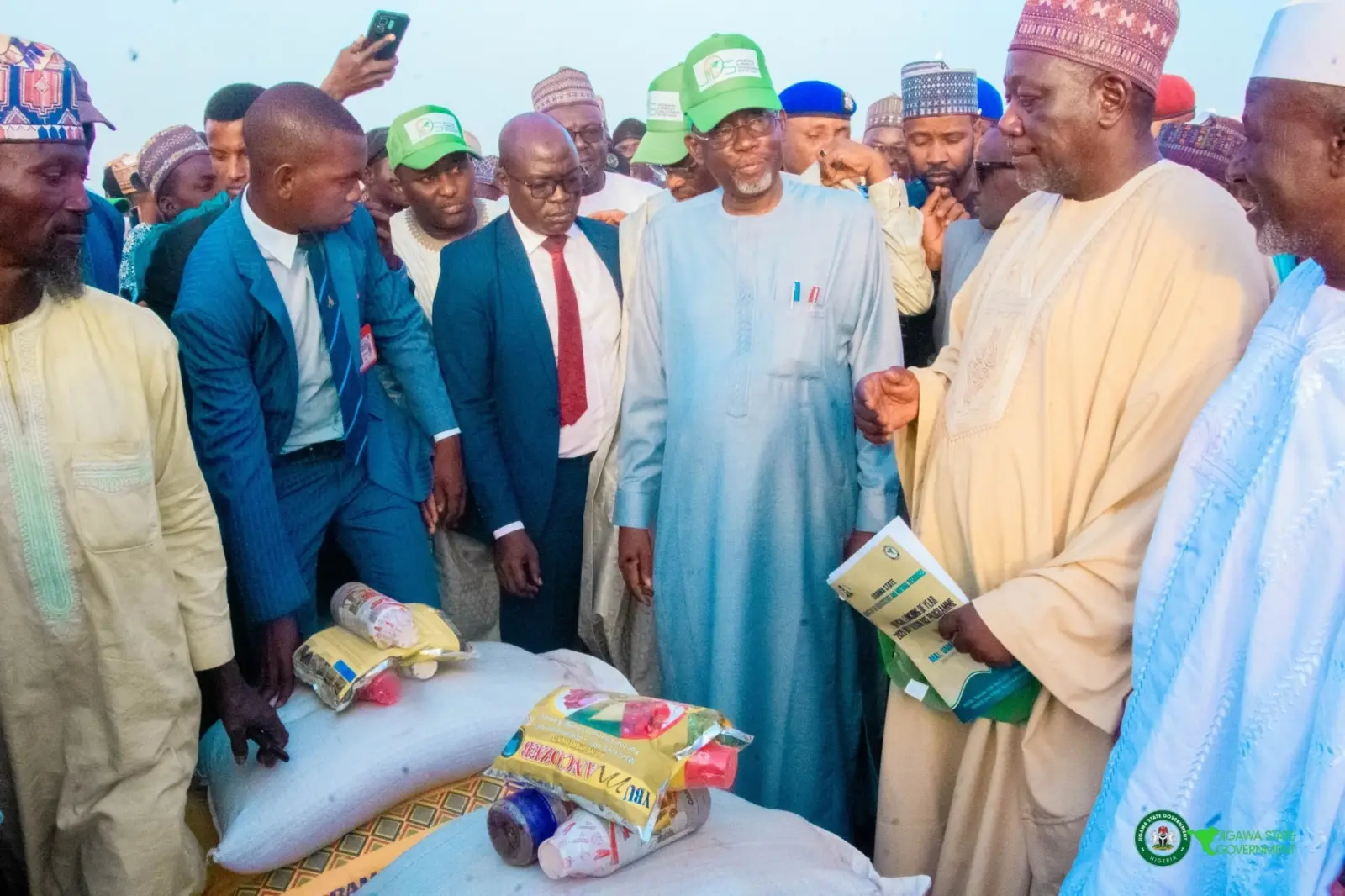
Expected Outcomes
- 50% reduction in post-harvest losses across priority commodities within five years.
- Establishment of fully functional aggregation and processing centers in each ADP zone.
- Creation of new agribusiness jobs in storage, logistics, and food processing for youth and women.
- Increased market competitiveness and export potential for Jigawa’s agricultural produce.
- Enhanced farmer incomes by 30–40% through better prices, reduced waste, and value-added processing.
Sustainability and Impact
The Integrated Value Chain Services Programme is designed to ensure that increased production translates into prosperity. By building the missing links between farms and markets, JATA is not only improving livelihoods but also positioning Jigawa as a competitive player in national and international agri-food markets. This integrated approach ensures zero-waste agriculture, inclusive participation, and continuous reinvestment into the rural economy — turning agriculture from a means of survival into a sustainable engine of growth and industrialization for Jigawa State.