The Soil Health and Fertility Management Programme is a foundational initiative under Jigawa-ATA’s Climate Smart Agriculture pillar, dedicated to restoring and maintaining the productivity of Jigawa’s farmlands through sustainable soil management practices and science-based interventions. Recognizing that healthy soil is the bedrock of agricultural transformation, this programme focuses on improving soil fertility, structure, and resilience to ensure long-term productivity, environmental balance, and climate adaptation.
Through data-driven soil mapping, fertilizer optimization, and organic matter management, Jigawa-ATA aims to establish a comprehensive soil health system that supports precision farming, reduces degradation, and enhances the profitability of every hectare cultivated. The initiative aligns with global best practices, ensuring that Jigawa’s agricultural production remains both sustainable and climate-resilient for future generations.
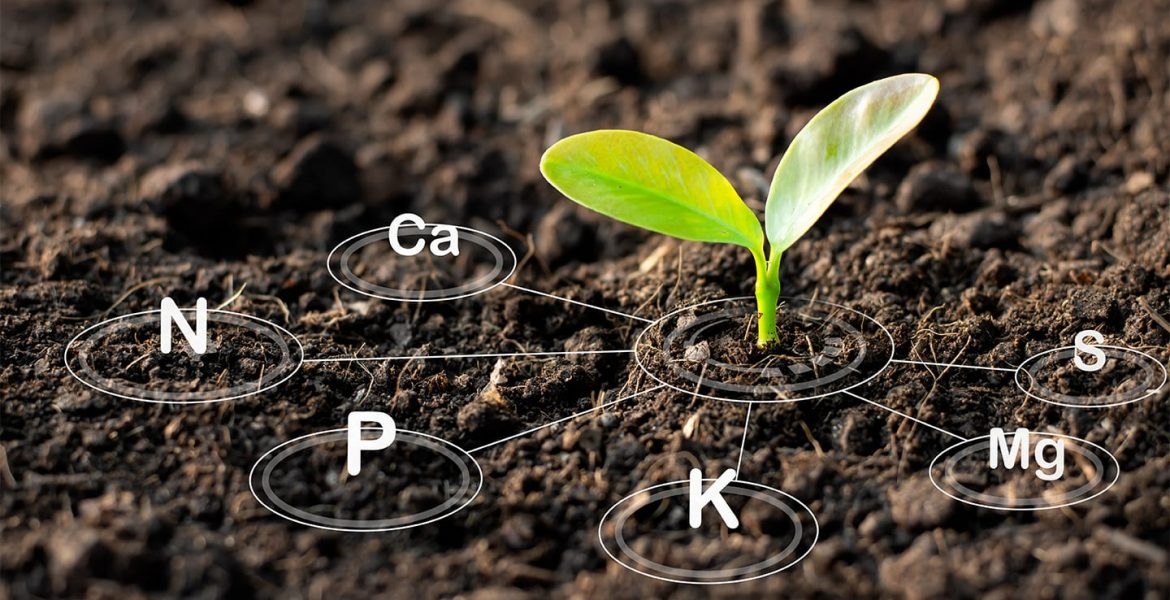
The Soil Health and Fertility Management Programme will lead to measurable improvements in crop yields, soil fertility, and ecosystem health across Jigawa’s farmlands. Over time, it will reduce dependency on imported chemical fertilizers, lower production costs, and enhance the sustainability of farming systems. The initiative will also strengthen the knowledge base of farmers and extension agents, ensuring widespread adoption of climate-smart practices. Ultimately, Jigawa will achieve a resilient agricultural foundation built on productive, living soils that sustain growth, biodiversity, and food security.